
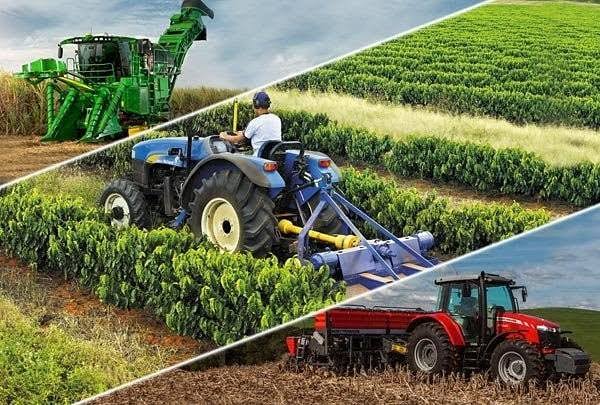
Mechanisation, technology set to drive Nigeria’s farm sector in 2026
Nigeria’s agricultural and food systems sector recorded mixed outcomes in 2025, combining higher crop yields with rising production costs and persistent security and climate-related challenges.
The year saw improved output in key staples such as yam, maize, rice, and cassava, supported by better farming practices, favourable rainfall, expanding technology use, and government-led initiatives like the 500,000-hectare Dry Season Farming Scheme. These gains contributed to lower food prices nationwide, easing the burden on consumers.
However, farmers faced significant pressure from soaring costs of fertilisers, fuel, herbicides, and machinery, which reduced profit margins and led some to scale back production. Security threats, particularly renewed herdsmen attacks in North-Central and other regions, disrupted farming activities, while floods, notably in Niger State, destroyed thousands of hectares of farmland and key infrastructure.
Government interventions provided some relief. President Bola Ahmed Tinubu launched the Renewed Hope Agricultural Mechanisation Programme, deploying thousands of tractors and specialised equipment, supported by a ₦100 billion fund and partnerships with local and international entities. Farmers can access these resources through leasing arrangements tied to production, with programmes designed to encourage youth participation in mechanised farming.
Technology adoption also increased in 2025, with the use of drones, mobile applications, and data analytics improving farm management, although unevenly across regions.
Looking ahead to 2026, experts highlight the importance of subsidies for inputs, private-sector participation, mechanisation scale, and technology-driven solutions to ensure sustained productivity and national food security. Projects such as the Lagos Central Food Systems and Logistics Park, the Igbodu Cattle Feedlot, and AI-powered platforms by Origin Tech Group are expected to strengthen infrastructure, efficiency, and market organisation.
Nigeria’s agriculture sector now stands at a critical juncture, with potential for growth and global competitiveness, provided policy consistency, investment, and coordinated efforts from government, private sector, and farmers are maintained.