Agric Sector Still in Crisis
Dayo Thomas
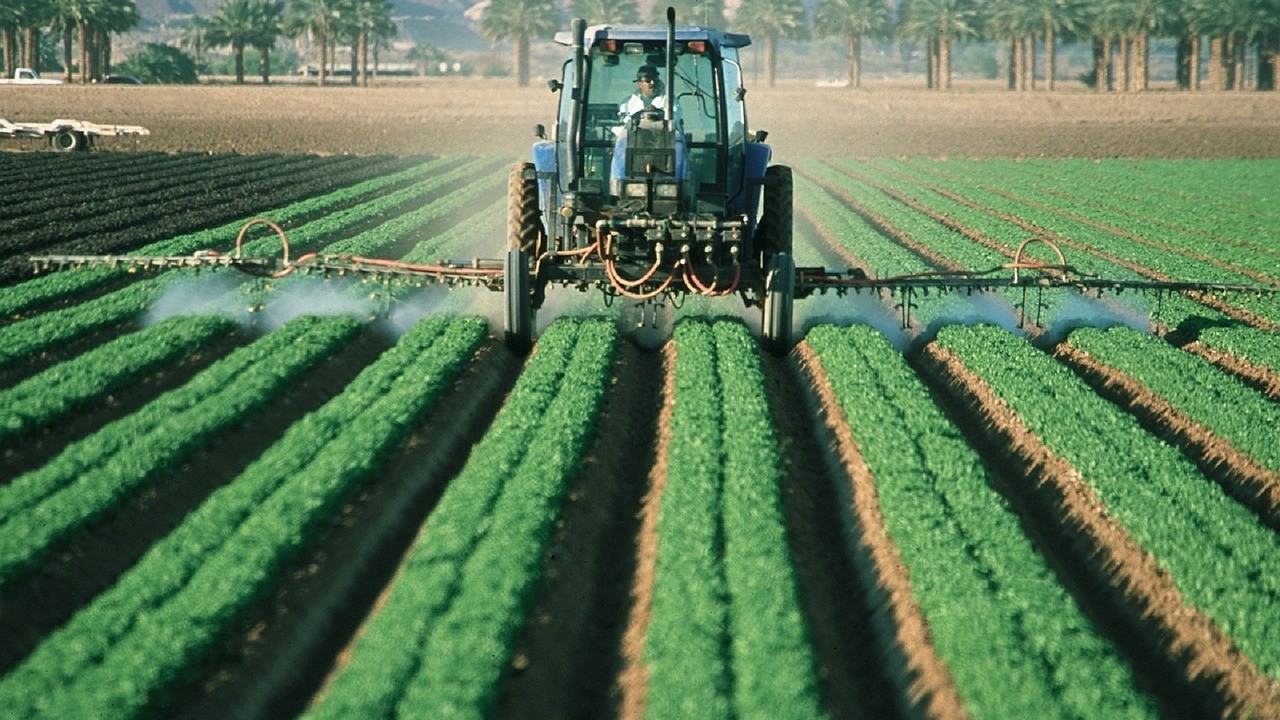
Stakeholders have argued that the Nigeria’s agricultural sector is facing significant challenges, threatening the country’s food security. The sector shrank in January 2026, due to rising input costs and insecurity, and the outlook is concerning. It’s projected that 34.7 million Nigerians will face acute food insecurity between June and August 2026. Farmers are struggling to stay afloat, grappling with increased production costs, insecurity, and post-harvest losses.
Insecurity is said to be a major factor contributing to the crisis. Banditry, kidnapping, and herder-farmer conflicts are forcing farmers to abandon their lands, reducing agricultural output. This not only affects farmers’ livelihoods but also exacerbates the country’s food shortage. The situation is dire, and urgent action is needed to protect farmers and restore peace in rural areas.
Fertilizers and agrochemicals have become 56% more expensive, discouraging farmers from participating in the dry-season farming. Climate shocks, such as floods and droughts, are also affecting crop yields and livestock production. These challenges are further compounded by poor market access, with limited access to markets and high transportation costs reducing farmers’ income.
The Federal Government has reaffirmed its commitment to ensuring food security, but more needs to be done to address these challenges. The government can explore initiatives like subsidizing input costs, improving infrastructure, and providing support for farmers to access markets. With the right interventions, Nigeria can overcome these challenges and ensure a food-secure future.