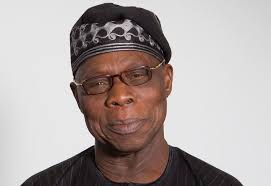
Obasanjo Blames Shagari’s Policy U-Turn for Nigeria’s Rice Import Wills
Edward Samuel
Former President Olusegun Obasanjo has squarely placed the blame for Nigeria’s continued reliance on rice imports on the policy reversal by the civilian administration of President Shehu Shagari in 1979. Obasanjo, who was the military Head of State at the time, revealed that his government was on the cusp of achieving self-sufficiency in rice production before handing over power to the Shagari-led government.
According to Obasanjo, the decision to lift the ban on rice importation by the Shagari administration had a devastating impact on local production, as farmers were unable to compete with the cheaper imported rice. He narrated a case of a politically connected importer who inflated the cost of a rice contract to secure financial gain, highlighting the corruption that followed the policy change. Obasanjo’s revelation underscores the crippling effect of policy inconsistencies on Nigeria’s agricultural sector.
In his assessment, Obasanjo emphasized that Nigeria’s inability to sustain sound policies has hindered the country’s development, and urged African leaders to prioritize reform and production to achieve lasting growth. He stressed that the country’s agricultural sector has been a victim of policy somersaults, and that a more consistent and coherent approach is needed to unlock its full potential.
The veteran politician’s comments come as Nigeria continues to grapple with food insecurity, and highlights the need for a more sustainable approach to agricultural development. With Nigeria spending billions of dollars on food imports annually, Obasanjo’s call for policy reform and agricultural transformation is a timely reminder of the urgent need for action.