
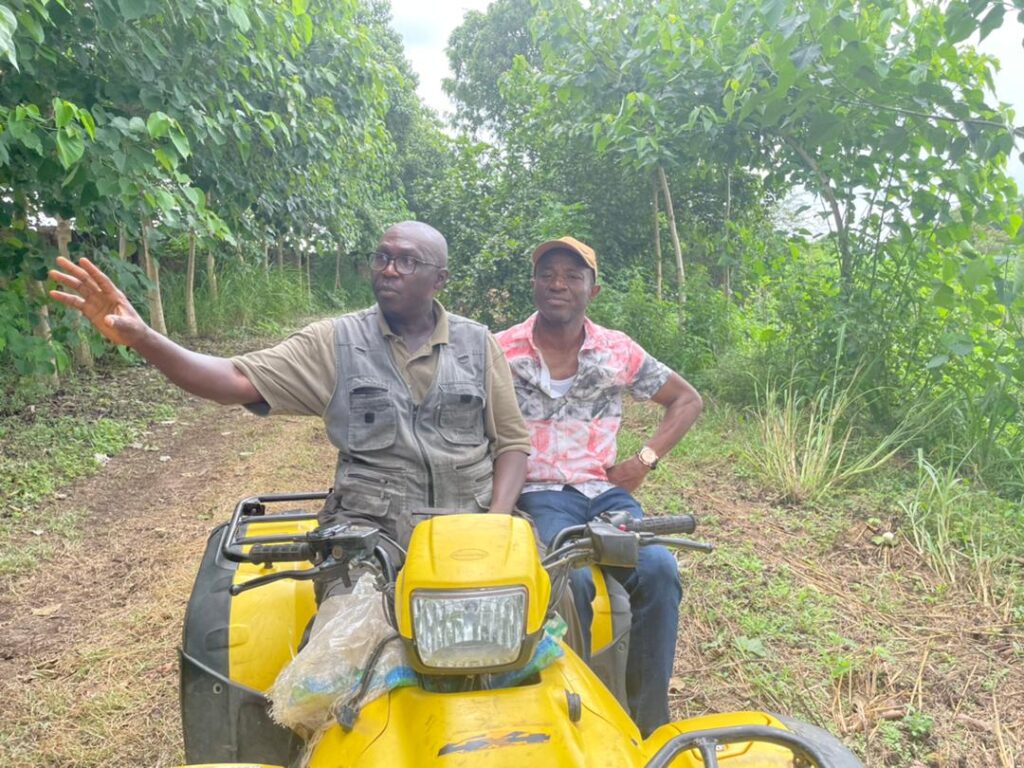
Ayadayol Nature Farms: Changing the narrative in the goat business worldwide
By Dayo Thomas
Despite the many business opportunities in the goat farming sector, farmers in Nigeria have been struggling under the heavy weight of poor markets, weak transportation systems, lack of access to land, poor breeds, inadequate feeds and limited management skills.
But amid these seemingly overwhelming challenges, Ayadayol Nature Farms is set to provide the needed succour to revive the sector and restore it to an enviable position.
Located at No. 1 Old Karu Road, Autabalefi, in Karu Local Government Area of Nasarawa State, the management of the farm has turned many of the challenges confronting the sector into great opportunities ready to be utilised by existing and prospective farmers.
There are an estimated 10 million goat farmers in Nigeria. However, the majority of them are small-scale farmers who raise goats mainly for subsistence purposes.
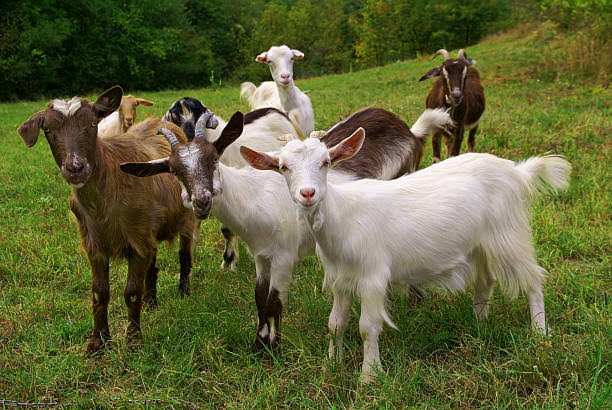
There is, however, a growing number of medium-scale and large-scale goat farmers involved in the commercial production of goats for meat, milk and skins for both local and foreign markets.
The goat business has been a major source of income for many rural households in Nigeria. It also provides employment and food security for millions of people. However, the sector is going through serious challenges despite its great potential.
Many farmers are battling with the problem of accessing adequate and quality feeds due to high feed costs and a lack of grazing facilities.
The founder of Ayadayol Nature Farms, Dr Mofoluwaso Abolarin, has a different approach. Instead of rearing goats and then searching for means of feeding them, he first invested heavily in feed production before introducing the animals. He travelled to many cities and countries to research and collect different species and varieties of plants needed for ruminants before multiplying the animals.
“We have so many farmers who stock large species of goats but have challenges feeding them. At Ayadayol Nature Farms, we have planted the raw materials for processing feeds that can adequately cater for our goats without any stress,” he said.
The farm is home to a variety of organic plants and trees gathered from different countries and processed daily to provide quality feeds for the goats. Plants such as alfalfa, moringa and others are cultivated on several hectares of land and nurtured naturally without chemical applications before being used as feed.
The materials are processed in a highly hygienic environment to ensure quality results. The quality and uniqueness of the feeds have also helped the goats maintain good health as they grow and mature in their natural habitat without synthetic drugs or medications.
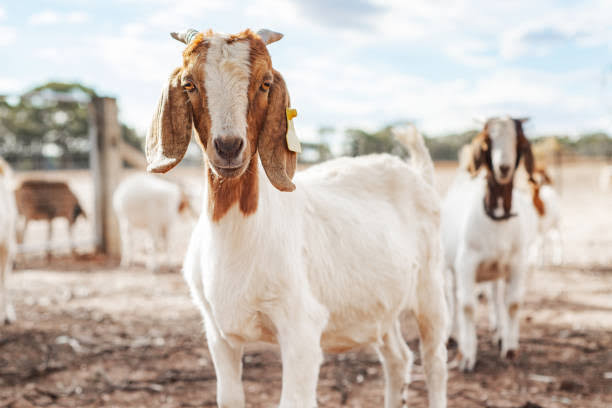
Another major uniqueness of the farm is its access to some of the best and most profitable goat breeds in the world. This represents a clear departure from the traditional practice where goats are raised for years without appreciable weight gain due to genetic limitations.
However, this has become a thing of the past, thanks to the innovations at Ayadayol Nature Farms, which is noted for its healthy and productive breeds, the result of years of intensive research.
“In Nigeria, we have West African Dwarf goats, Sokoto Red and Sahelian goats. Our best traditional breeds will probably give farmers about 50kg after three years of intensive feeding, which is not profitable for commercial farmers, especially with rising feed costs. This challenge is largely peculiar to Nigeria, as other countries appear to have moved ahead. African countries such as Tanzania, Uganda, Kenya and South Africa have gone beyond this level. Three of the best meat goat breeds in the world come from South Africa: Savanna, Boer and Kalahari Red goats. Farmers favour them because they can grow to as much as 250kg in weight without any enhancement,” he added.
Ayadayol Nature Farms represents a perfect combination of expertise, research, tenacity and hygiene aimed at making a lasting impact.
Goats are susceptible to a number of diseases, including rinderpest, pneumonia and foot-and-mouth disease, which can cause significant losses to farmers.
At Ayadayol Nature Farms, goats are kept in well-constructed pens that allow for proper spacing, ventilation, cleanliness and effective management.
The farm has perfected plans to meet the needs of Nigerians through the provision of quality meat, milk and leather.
Beyond business, the farm has facilities to train youths interested in running a profitable goat business.
Most importantly, the estimated market value of the goat farming sector stands at about $2 billion.