
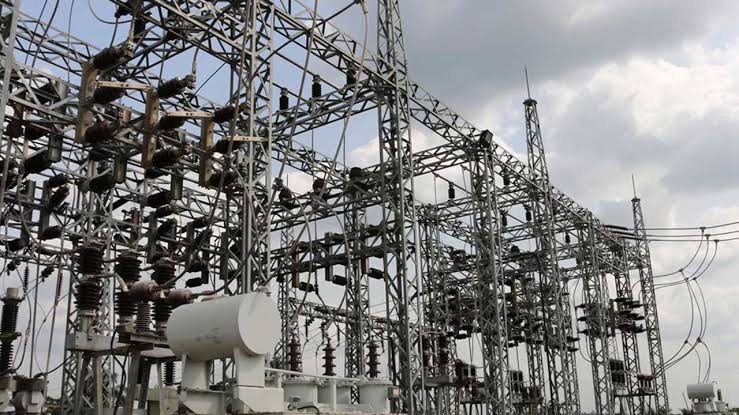
Grid collapse cripples Nigeria’s agricultural sector
Dayo Thomas
The recent collapse of Nigeria’s national grid has dealt a significant blow to the country’s agricultural sector, with far-reaching consequences for food security and the economy. The lack of reliable electricity has disrupted irrigation, food processing, storage and poultry businesses, forcing farmers to rely on costly alternatives such as generators. This has increased operational costs, leading to higher food prices and reduced competitiveness in the market.
“The impact is far-reaching,” says the chairman of Ademola Adeleke Farms in an interview with Agricnews Digest. “Without electricity, farmers struggle to irrigate crops, leading to withered crops and reduced yields. Inadequate storage facilities and power outages result in massive post-harvest losses, estimated at 5–20 per cent for grains, 20 per cent for fish, and 50–60 per cent for tubers, fruits and vegetables.” Poultry and livestock operations are also disrupted, causing losses and increased costs, he adds.
The agricultural sector’s vulnerability to power outages threatens food security, exacerbating hunger and poverty. The World Bank estimates that Nigeria loses over $29 billion annually due to unreliable electricity, with the agricultural sector being a significant contributor to this loss. This situation highlights the need for a reliable power supply, modern storage facilities and climate-smart agricultural practices to mitigate these losses.
The frequent grid collapses are pushing farmers to the brink, making it imperative for the government to take concrete steps to address the issue. Investing in renewable energy and improving existing infrastructure could be a good starting point.