
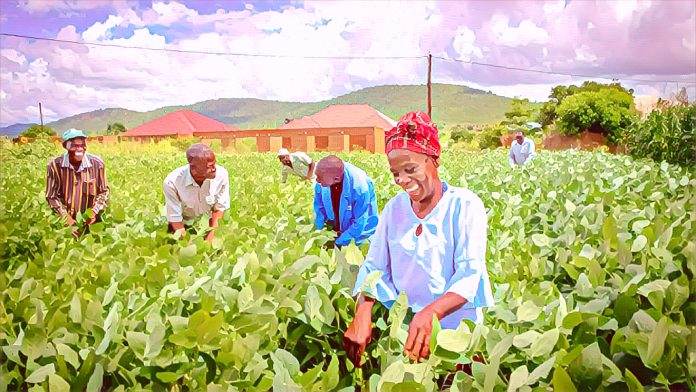
Agric Sector Grows 3.15% to N11.87trn in Q1 2026, But Export Decline Raises Concern
Dayo Thomas
Nigeria’s agricultural sector recorded a 3.15% year-on-year growth in real terms, rising to N11.87 trillion in the first quarter of 2026 from N11.51 trillion in Q1’25, according to the latest National Bureau of Statistics GDP report. The expansion was driven largely by crop production, which remains the backbone of the sector. Crop output alone contributed N8.9 trillion, representing a 3.39% increase from N8.6 trillion recorded in the same period last year. Livestock, forestry, and fishing also posted modest gains, growing 2.20%, 4.14%, and 1.72% respectively. The numbers confirm that agriculture continues to hold steady even as other sectors struggle, with crop production accounting for 66.76% of the sector’s total nominal value in Q1’26.
Despite the domestic growth, Nigeria’s agricultural trade performance tells a different story. Agric exports fell sharply by 31.2% year-on-year to N1.17 trillion in Q1’26, down from N1.70 trillion in Q1’25. Imports also declined by 20.09% to N827.72 billion from N1.04 trillion, suggesting weaker demand and possible disruptions in international trade channels. The drop in exports is a setback for Nigeria’s push to diversify away from oil, especially given recent AfDB commitments of $86 million to Special Agro-Industrial Processing Zones and the launch of new mechanization programmes. For farmers in Okunland and across the belt, the contrast is clear: production is rising on paper, but access to lucrative export markets and price stability remain stubborn challenges.
With agriculture contributing 18.11% to nominal GDP in Q1’26, the sector’s potential is undeniable. The FG’s Renewed Hope mechanization drive, NADF’s new fertiliser guide, and leasing partnerships for tractors are steps toward raising productivity. But the 31.2% export decline signals that Nigeria must now move from growing more to earning more. That means tackling post-harvest losses, fixing rural roads, curbing multiple levies on produce, and investing in processing capacity so that Okun farmers and others can convert tonnage into dollars. Growth without export strength leaves farmers vulnerable to local price crashes and middlemen pressure.