
The Battles To Save Nigeria’s Diminishing Forests
Agricnews Digest
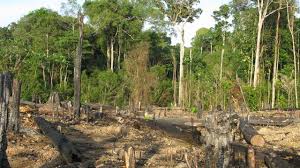
Nigeria’s forests are facing an unprecedented crisis, with nearly 90% of its forest cover lost over the past three decades, leaving only about 4% intact. This alarming rate of deforestation, estimated at 400,000 hectares annually, is driven by illegal logging, agricultural expansion, and urbanization. The consequences are far-reaching, threatening biodiversity, climate regulation, and the livelihoods of millions of people.
The main drivers of deforestation in Nigeria are complex and multifaceted. Illegal logging, often fueled by weak enforcement of environmental laws and increasing demand for land and energy, is a significant contributor. Agricultural expansion, particularly shifting cultivation and agricultural settlement, also plays a major role. Urbanization, driven by infrastructure development and population growth, further exacerbates the problem. Additionally, poverty and limited alternatives for rural communities contribute to the destruction of forests.
The Nigerian Conservation Foundation (NCF) is leading efforts to address this crisis through initiatives like the Green Recovery Nigeria Programme, aiming to restore 25% of the country’s forest cover by 2047. The NCF has already planted 265,561 trees across various ecosystems in 2025 and 184,000 trees in 2024. Other efforts include promoting sustainable agriculture practices, engaging local communities in forest management, and advocating for policy reforms to strengthen environmental laws and enforcement
The battle to save Nigeria’s forests is ongoing, and concerted efforts are needed to address this crisis.