
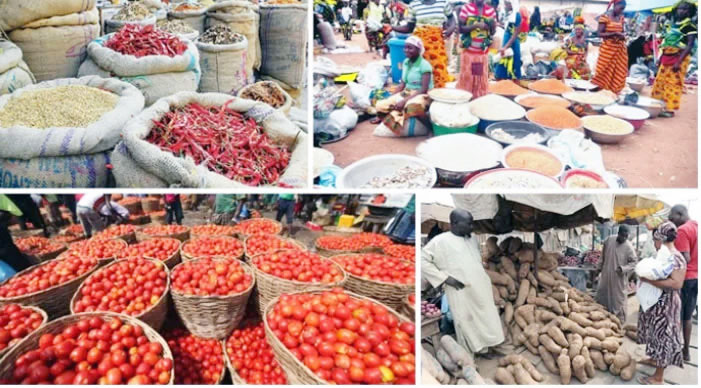
When Food Prices Jump: The Hidden Cost Behind Your Plate
Dayo Thomas
You don’t need a government report to feel it. You feel it at the market gate, in the trader’s voice, and in the way your budget breaks before the month ends. “Food prices jump” is no longer news , it’s the reality every Nigerian household is navigating.
The story playing out in Abuja, Lagos, Port Harcourt, and every rural market is the same one farmers and consumers have been living for months.
Food does not move itself. It moves on trucks, and those trucks run on diesel and petrol. When fuel prices climb, the cost of moving a bag of beans from Makurdi to Lagos or onions from Sokoto to Port Harcourt climbs with it. Transporters pass that cost down the chain. By the time the produce reaches the retailer, the price has doubled before a single seed was affected. The farm gate may be cheap, but the road to market has become a toll gate. For AgricNews Digest readers, this is why the most fertile land in the Middle Belt can still produce hunger in the city.
Insecurity has turned Nigeria’s most productive farmlands into danger zones. Farmers in Benue, Plateau, Niger, and parts of the Northwest now budget for survival before they budget for fertilizer. Some have abandoned their fields entirely. Those who stay face higher costs for seeds, labor, and protection. Laborers demand hazard pay. Fertilizer prices have surged globally and locally. When supply drops because farmers cannot plant or harvest safely, the market responds the only way it knows how , with higher prices. This is the direct link between bandits in the forest and the price of rice in your pot. You cannot talk about food inflation without talking about forest security.
Nigeria’s plate is not100% Nigerian. Wheat for bread, rice to fill the gap, milk powder, cooking oil, even the nylon that packages your garri — much of it is imported. When the naira weakens against the dollar, everything tied to foreign exchange gets heavier. Importers pay more, distributors pay more, and the consumer pays most. This is why a global shock in Ukraine or a forex policy shift in Abuja can change the price of noodles in Kano within weeks. Until we close the gap with local production, our stomachs will remain tied to exchange rates we don’t control.
No matter the policy, nature still has a vote. Delays in the rainy season push planting back. Floods wash away farms. Poor storage after harvest means tons of tomatoes rot before they reach consumers. That seasonal waste creates artificial scarcity, and scarcity always raises prices. A glut of pepper in November can become a luxury in March, not because demand changed, but because the harvest was lost between farm and market.
Food inflation is not just an economic chart. It tests patience. It tests budgets. It tests relationships. Markets get tense. Mothers adjust recipes. Fathers make hard choices between school fees and protein. “Trying” to be gracious gets harder when a bag of rice crosses ₦100,000 and a basket of tomatoes feels like a gamble.
We cannot subsidize our way out of this without fixing the root. Cheaper fuel helps transport, but only if the road is safe. Forex stability helps imports, but dignity comes when we grow more of what we eat. Mechanization helps yield, but tractors are useless if farmers cannot reach their land because forests have become criminal territory. The Senate’s push for forest guards and the Forest Security Bill is not a side issue. It is a food security issue.