Tomatoes Become Symbol of Nigeria’s Cost-of-Living Crisis as Ruth Kadiri Speaks Out
By Favour Ojo
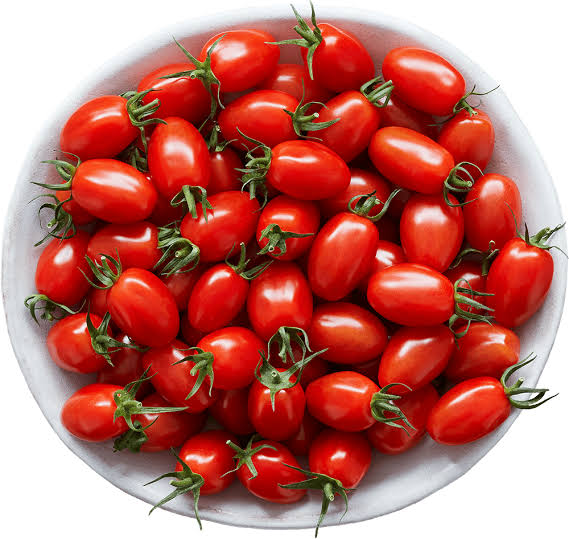
Nollywood actress and filmmaker Ruth Kadiri has put a human face to Nigeria’s deepening food inflation, declaring that basic feeding has become “an agonising luxury” for the average citizen. In a video posted to her official Instagram page on Wednesday, Kadiri expressed alarm over how quickly the price of everyday market staples has spiraled beyond the reach of ordinary households. Her comments arrive at a time when food prices continue to erode household income across the country, with tomatoes and pepper now commanding prices that were unthinkable two years ago.
Kadiri’s central illustration was stark and specific. She lamented that “somebody will use N5,000 to buy pepper and tomato” stressing the mismatch between market prices and wages. For Nigerians earning between ₦25,000 and ₦50,000 monthly, she noted, spending ₦5,000 on just two ingredients wipes out a significant portion of disposable income. This calculation does not even include the cost of a full basket of tomatoes, which traders have priced far higher in recent months. The actress, who said she is “not known for complaining,” admitted that the economic pressure has become so heavy that even those with relative comfort are beginning to feel the brunt.
The economic pain, Kadiri warned, is no longer confined to empty pots. She argued that extreme pressure is altering human behavior and deteriorating mental well-being across families. According to her, prolonged hardship risks turning citizens against one another, as frustration is displaced onto innocent relatives and neighbors. Her intervention highlights how food inflation has moved from an economic statistic to a public health and social stability concern, with tomatoes serving as the most visible flashpoint in daily markets from Lagos to Kano.
The tomato price surge reflects broader structural stress in Nigeria’s food system. While a separate online report noted that big baskets of tomatoes can still be found for ₦18,000 or less in some locations, volatility and post-harvest losses keep consumer prices high and unpredictable. This is precisely the “missing link in the Nation’s economy” that the Industrial Training Fund aims to address at its Stakeholders Meeting scheduled for 24th June, 2026 in Abuja. ITF’s agenda to communicate National Occupational Standards to educational institutions and build robust Sector Skills Councils speaks directly to the gaps in agri-tech, food processing, and value chain management that drive these price shocks.
Practical knowledge is already circulating among growers. Recent DIY farming content emphasizes that tomato and pepper cultivation in Nigeria is “40% math and 60% system management pointing farmers toward hybrid seeds, soil pH testing, 3-stage fertilizer programs, proper spacing, and irrigation to reduce losses. Scaling that knowledge through formal Sector Qualification Strategies could help stabilize supply and protect consumers from the kind of price trauma Kadiri described.
Ruth Kadiri’s lament has turned tomatoes into an economic indicator. When ₦5,000 buys only pepper and tomato in a country where many earn ₦25,000 to ₦50,000 monthly, the conversation shifts from entertainment to emergency. The path forward requires more than market sympathy. It demands trained manpower, curriculum that matches industry needs, and sector councils that can translate farm math into market stability. As ITF convenes stakeholders this month, the tomato crisis is a clear case study for why national occupational standards in agriculture cannot wait.