World No Tobacco Day: From Tobacco Fields to Food Fields, Counting the Cost and Choosing Life
Dayo Thomas
Every May 31, the world stops to talk about tobacco. Not to shame the smoker or judge the farmer. But to count the cost and offer a way out. For AgricNews Digest readers, this day is personal. Because behind every cigarette is a seed, a plot of land, a farmer’s choice, and a family’s table.
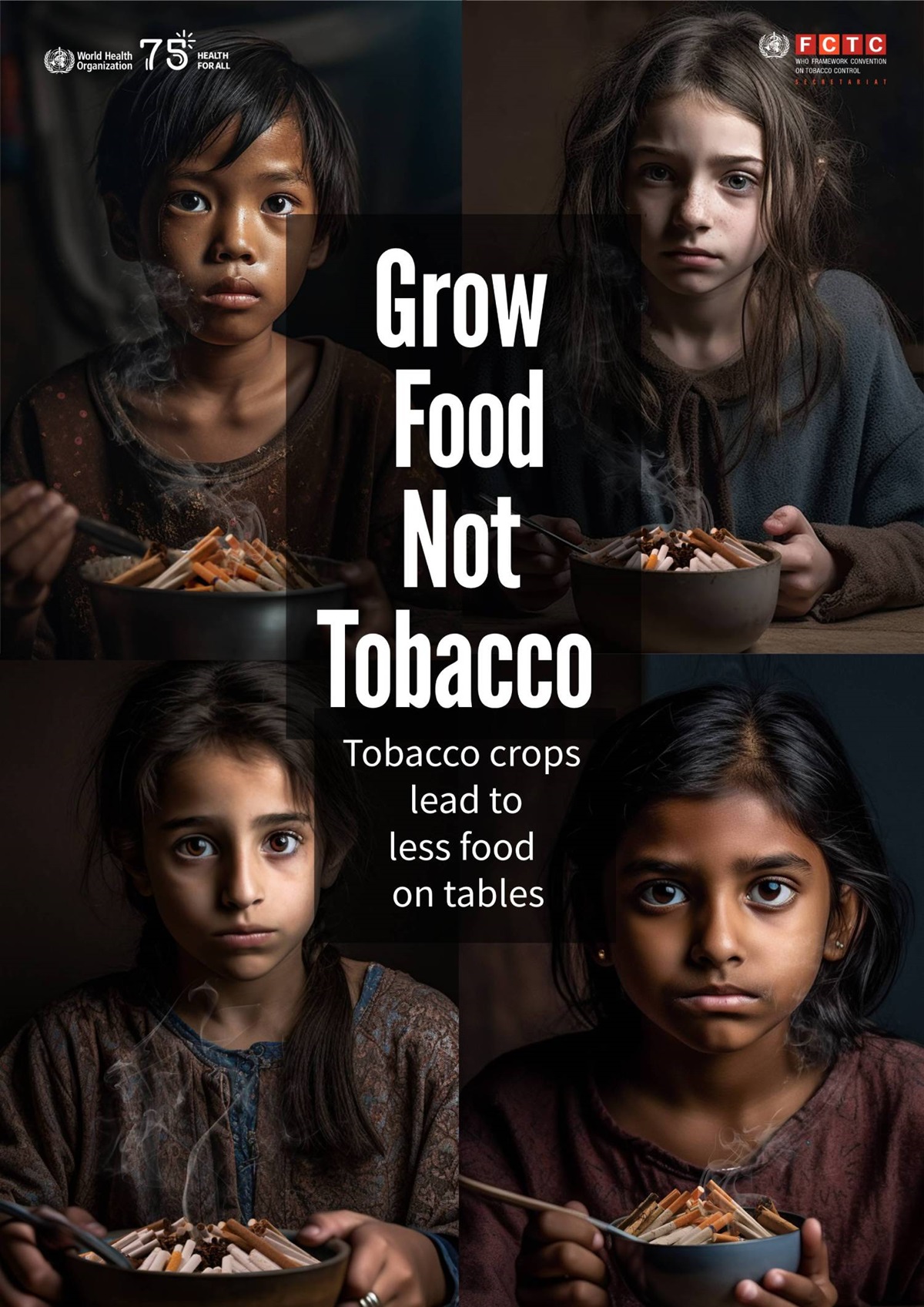
Most conversations around World No Tobacco Day focus on lungs and hospitals. But trace the smoke back to the soil and you find an agriculture crisis. In Nigeria and across Africa, tobacco is sold to farmers as a “cash crop” that promises quick money. Companies advance inputs, guarantee purchase, and the farmer signs. For six months the leaves grow tall. But when the harvest is done, the land tells a different story. Tobacco is a heavy feeder. It strips soil of nitrogen, potassium, and organic matter faster than maize, yam, or cassava. It demands pesticides that poison water and soil life. When the season ends, the farmer is left with exhausted land and a choice: keep planting tobacco and watch yields crash, or spend money he does not have to restore the soil before he can grow food again. That is why many tobacco-growing households are food-insecure 12 months of the year. They grow cash but cannot grow dinner.
The World Health Organization calls tobacco the single biggest preventable cause of death on earth. Over 8 million people die yearly. 1.3 million are non-smokers killed by secondhand smoke. In farming communities, that number has a face. It is the father who collapses in the field before harvest. The mother who develops lung cancer without ever holding a cigarette. The child who breathes smoke in a small room while the parent smokes to “relieve stress.” We call abductions “an assault on our collective humanity.” Tobacco is a slower assault, one puff at a time, stealing farmers, market women, teachers, and parents from the communities that need them most. A nation cannot feed itself when the people who know how to farm are dying young.
Walk into any rural market in Benue, Oyo, or Niger and do the math. A pack of cigarettes now costs more than a bowl of garri and soup for a family. Multiply that by daily or weekly purchase and the numbers are painful. Households are spending income meant for food, school fees, or fertilizer on tobacco. When a farmer smokes, he is literally burning his farm input money. The same money that could buy improved cassava stems or hire a tractor under FG’s mechanization plan goes up in smoke. At AgricNews Digest, we talk a lot about food inflation. Part of that inflation is self-inflicted. Money that should circulate in the food economy is diverted into an industry that returns only sickness.
World No Tobacco Day is not only about quitting smoking. The global theme each year pushes alternative livelihoods for tobacco farmers. This is where agric diplomacy comes in. If a farmer in Oyo or Benue converts that tobacco plot to pepper, tomatoes, soybeans, or vegetables, three things happen. First, the soil begins to heal because food crops and legumes restore nutrients. Second, the family eats from their own farm instead of buying everything at the market. Third, income becomes more stable because food has daily demand. Even the Senate’s push for forest guards opens another door. A farmer who leaves tobacco can be trained and employed to secure the forests and farms his community depends on. That is choosing life over leaf. That is using farming choices for peace, health, and food security.
tobacco is not easy. Nicotine is a strong addiction. Farming tobacco is not easy either because companies control the price and trap farmers in debt cycles. But World No Tobacco Day exists to remind us:
It does not cost you anything to try.” Try one day without smoking. Try converting one ridge of tobacco to ugu or pepper this season. Try asking your cooperative about alternative crops with guaranteed markets. Small tries compound. One season without tobacco gives soil time to breathe. One year without smoking gives lungs time to heal. One farmer switching gives a community hope that another life is possible.
This is not about judgment. It is about direction. For the farmer deciding what to plant next season. For the consumer deciding what to buy at the kiosk. For the policymaker deciding what crops to subsidize. Nigeria’s food future depends on choices made in small plots and small kiosks across the country.
AgricNews Digest asks you: are you marking it by supporting a farmer to switch from tobacco to food crops, or is this a personal battle for you or someone close? The land is waiting. The lungs are waiting. And the table is waiting to be filled.