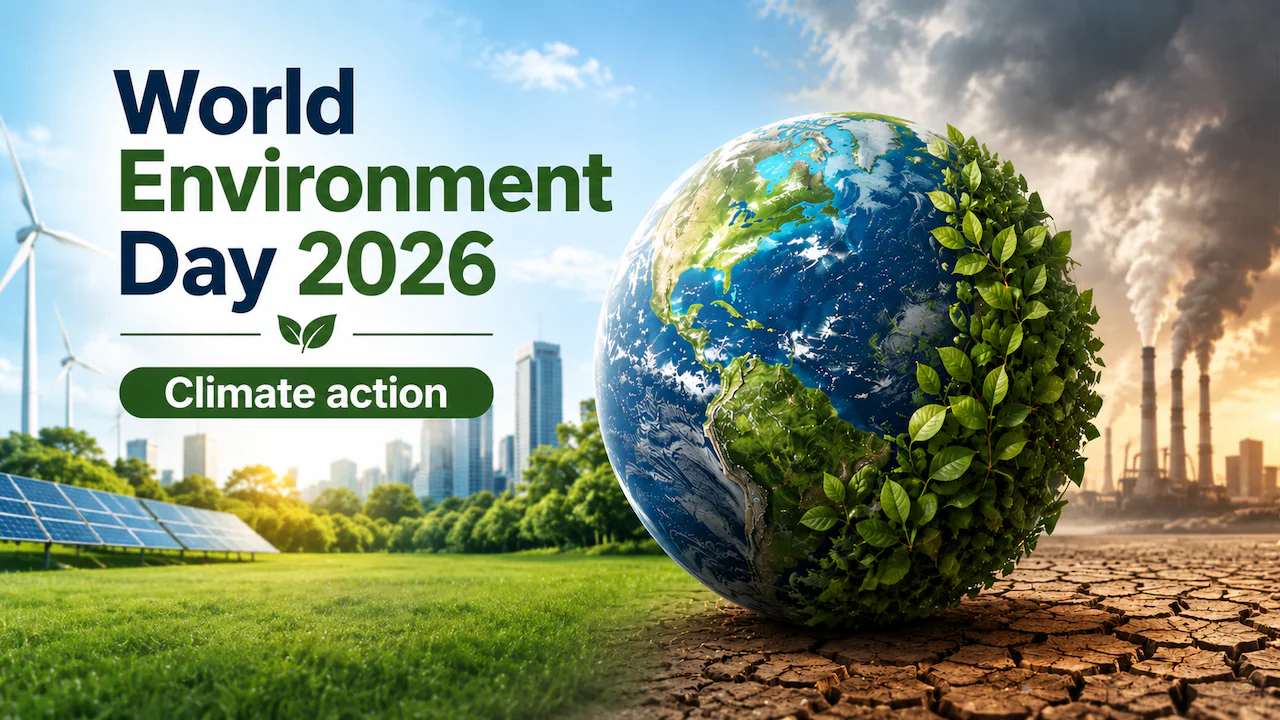

World Environment Day 2026: The Farm Is The First Line Of Defense
By Dayo Thomas
Every June 5th, World Environment Day pulls the world’s attention to one crisis. This year the United Nations has put plastic pollution under the spotlight, and for Nigerian farmers, the theme is not abstract. It is personal. The fertilizer sachets torn open at planting, the water bottles left by trucks on rural roads, the nylon bags that wrap every tomato crate — they do not vanish after use. They fragment into microplastics, settle into farmland, and block the pores that soil needs to breathe. They wash into irrigation channels and clog the same water farmers depend on when rain fails. Livestock swallow them and die slowly. Rivers that once fed farms now carry waste instead of life. A healthy environment is not a conference slogan. It is the soil, water, and air that decide whether seed germinates or rots.
The damage begins on land, not at sea. When plastic sheets and nylon collect in topsoil, they prevent water from soaking in and air from reaching roots. The result is compacted, tired soil that needs more fertilizer to produce less food. In Benue, farmers have watched cassava fields turn into dumping grounds because municipal waste collection never crossed the city boundary. In Kano, irrigation canals meant for dry-season rice now flood farms because bottles and bags choke the flow. In Rivers, grazing cattle die after eating plastic that looks like fodder. AgricNews Digest tracks these stories because a wounded environment is a wounded food system. If we cannot manage waste at the farm gate, we cannot manage yield at the market.
The clean energy financing agric banks are pushing this year is part of the solution, not a separate story. Solar dryers cut the need for single-use nylon because farmers can process pepper and tomatoes into stable products that store longer without cheap packaging. Biogas digesters built from animal waste give dairy cooperatives cooking gas and organic fertilizer while removing the plastic fuel containers that litter villages. In Oyo, some cooperatives have started paying farmers cash or inputs for every kilogram of plastic collected from their land. The waste gets weighed, recorded, and sent to recyclers. These are not charity projects. They are business decisions. Keep plastic out of the soil and you protect fertility. Turn waste into cash and you protect margins. Environmental action only lasts when it makes economic sense for the farmer.
We cannot preach higher yields on dead soil. Reclaiming the green means treating land, water, and air with the same urgency we give to seed, fertilizer, and diesel. World Environment Day reminds us that farming and environment are not two different battles. They are one battle with two fronts. When rivers are free of plastic, irrigation pumps do not break down and farms do not flood. When soil is alive and porous, seeds germinate evenly and roots go deeper during drought. When the air around farms is not filled with the smoke of burning nylon, both crops and farmers breathe better.