Land Is the Missing Key for Youth Agriculture
By Dayo Thomas | AgricNews Digest
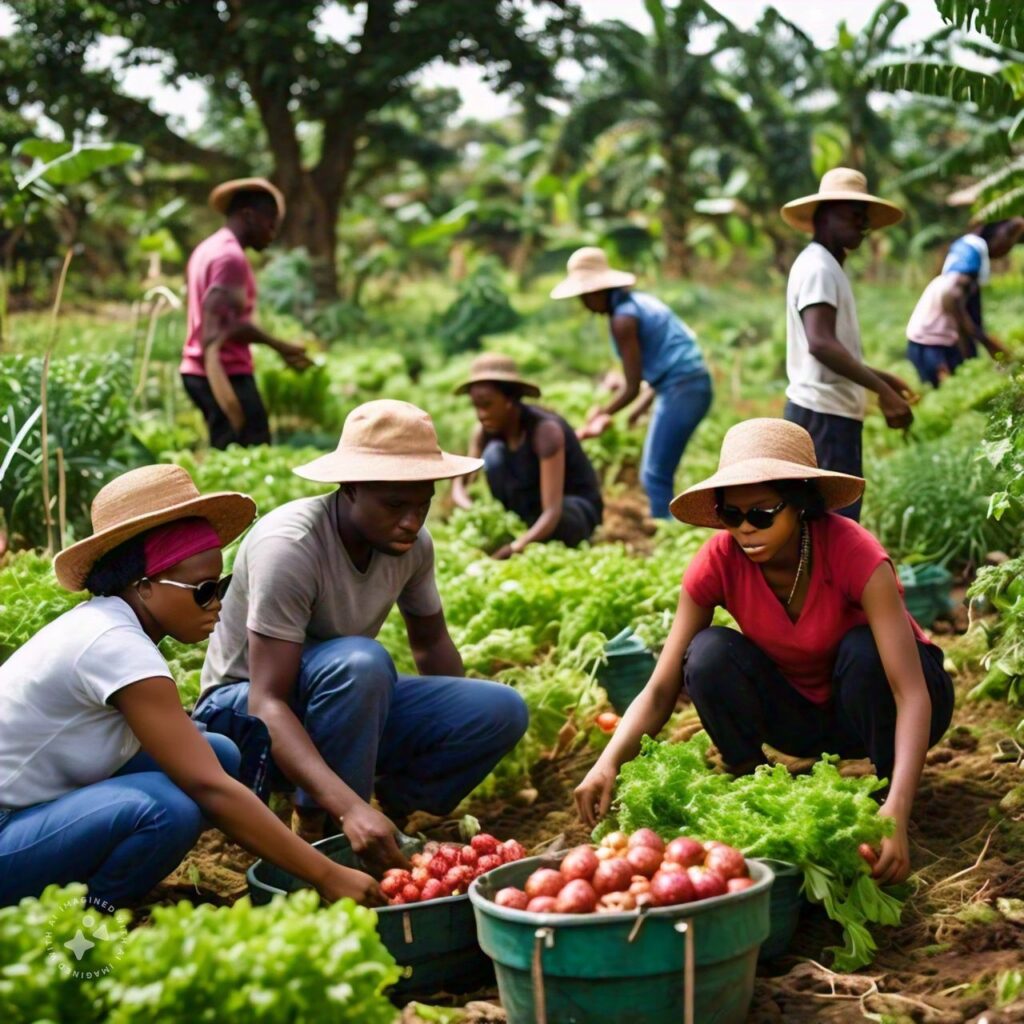
Minister of Budget and Economic Planning, Senator Abubakar Atiku Bagudu, has kept his message steady and direct: Nigeria will not fix youth unemployment or food insecurity until young people are given real access to land. He argues that training alone is not enough. You can teach youths modern farming, climate-smart practices, and agribusiness management. You can supply grants and mechanization. But without land, the knowledge has nowhere to land. Land is the foundation of agriculture. It is the primary factor of production, and every other input depends on it.
Bagudu is pushing this now because the stakes are higher than ever. Nigeria’s population is growing fast, and food inflation is squeezing households at every market. His position is that “youths must be given land for agric development” so they can move from small subsistence plots to commercial, technology-driven farms. He is not speaking only to the Federal Government. His call extends to state governors, traditional rulers, and host communities to set aside land banks specifically for youth-led agribusiness projects. The request is practical: identify available land, secure tenure, and release it in sizes that young farmers can manage, expand, and turn into income.
This position connects directly with initiatives already taking shape across the country. The National Youth Service Corps recently received 16 hectares of farmland from Nasarawa State for corps members to run commercial farms. It also aligns with the KEDA and ITF Skill Acquisition programs that are training thousands of young people in Kogi and beyond. Training gives them technical skill. Land gives them the space to apply it. One without the other breaks the chain. Skills without land produce certificates that gather dust. Land without skill produces losses that discourage a generation. Together, they produce food, jobs, and a rural economy that breathes again.
For Bagudu, this is not about handouts. It is about investment. One hectare in the hands of a trained young farmer creates work for laborers, puts food into the market, and circulates money within the community. Scale that to thousands of hectares across every state and the impact becomes national. That is why he is urging policies that make land allocation faster, cheaper, and less bureaucratic for youth cooperatives and agripreneurs. Less paperwork, clearer title, predictable terms. The idea is to stop making youths spend months chasing signatures when they should be spending months planting and selling.
The message is clear. If agriculture is going to drive Nigeria’s next phase of growth, then land policy must treat young people as economic actors, not as an afterthought. Training gave them the tools. The next move is to give them the ground to build on.