
17 Million in Northern Nigeria Face Severe Hunger as Crisis Hits Worst Level in a Decade – UN Warns
Dayo Thomas
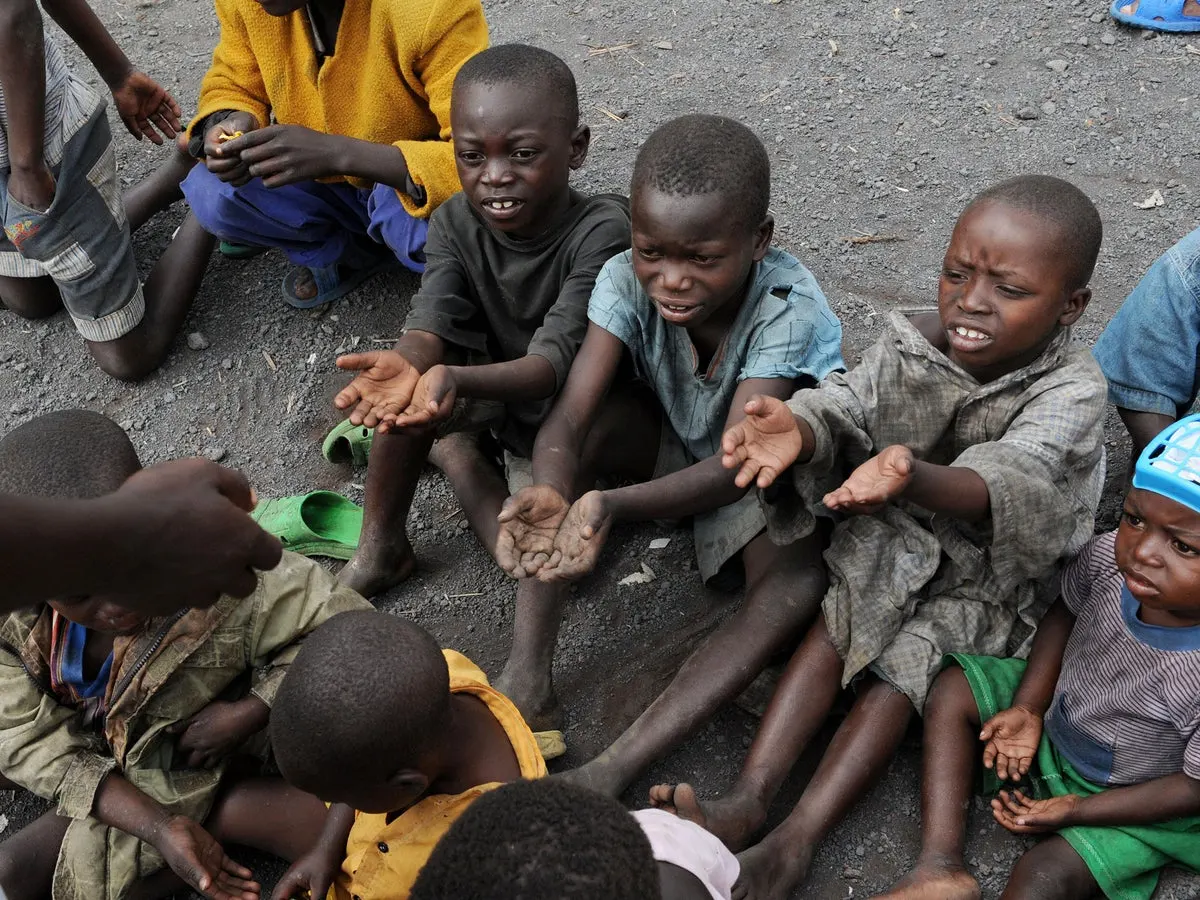
The United Nations World Food Programme, WFP, has raised the alarm that more than 17 million people across nine states in northern Nigeria are now confronting severe hunger, marking the most acute food insecurity crisis the region has experienced in nearly a decade.
According to WFP’s food security analysis released this month, the population facing crisis, emergency, or catastrophic hunger levels has grown by almost 2 million people since earlier forecasts. The surge reflects a rapid deterioration in access to food, nutrition, and livelihoods across communities already strained by years of conflict and economic pressure.
Humanitarian officials say three interlinked factors are pushing the crisis deeper. Ongoing armed conflict and widespread banditry have forced many farming households off their land and disrupted seasonal planting, particularly in Borno, Adamawa, and Yobe states where insecurity remains most intense. Mass displacement has compounded the problem, with millions cut off from their farms and traditional food sources, leaving families dependent on erratic aid and markets with inflated prices. At the same time, sharp reductions in humanitarian funding have limited the reach of emergency response.WFP notes it is currently able to support fewer than half of the 1.3 million people it assisted last year across the three northeast states.
Borno State bears the heaviest burden. The agency estimates that over 3 million residents there are acutely food insecure, including more than 750,000 people classified at emergency levels who require urgent assistance to avoid extreme deprivation. With the lean season extending and agricultural recovery stalled in many areas, WFP says the risk of further escalation is high without immediate intervention.
To sustain food assistance, nutrition services for children and mothers, and the logistics network needed to move supplies into hard-to-reach areas, WFP is appealing for $89 million over the next six months.The agency stresses that without new funding, thousands of vulnerable households will be left without support during a period when food gaps are widest.