
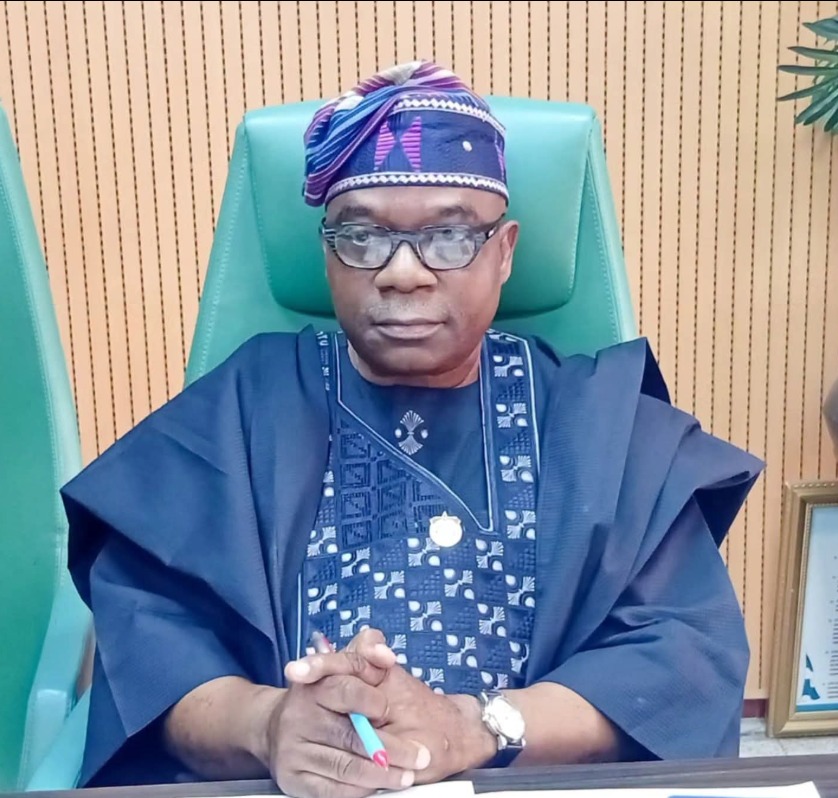
A Strategic Memo for the New Minister of State for Foreign Affairs
AgricNews Digest
The AgricNews Digest congratulates Ambassador Sola Enikanolaiye on his appointment as Minister of State for Foreign Affairs at a time when the global agenda is being shaped by food security, climate action, and investment flows. Agriculture is no longer only a domestic priority for Nigeria. It is now our most strategic foreign policy asset. Food security, export revenue, climate finance, and youth employment all converge in the sector. If you place Agric Diplomacy at the core of your mandate, you will unlock markets, capital, technology, and partnerships far more quickly than any internal intervention alone. The mandate is clear and compelling. Deploy Nigeria’s agricultural strength to expand trade, attract investment, secure modern technology, and influence global food policy. That clarity will give embassies, development finance institutions, and private investors a reason to align with you. It will also secure your place at the table with Foreign Affairs, Trade, Finance, and the Presidency when strategic economic deals are negotiated.
Nigeria loses billions in potential earnings every year because we export largely raw commodities and are shut out by standards, certification, and weak market access. Your first priority must be to open and defend export markets. This begins with Sanitary and Phytosanitary compliance. Working closely with NAFDAC, SON, and FMARD, you should prioritize getting our priority commodities cleared for the European Union, United Kingdom, GCC, and China. Cocoa, sesame, cashew, ginger, hibiscus, and dairy should lead because they already have proven demand and can deliver quick foreign exchange results.
Trade missions must also be re-engineered. Instead of delegations made up only of officials, take processors and cooperatives to Gulfood Dubai, ANUGA in Germany, and SIAL in Paris, with B2B meetings arranged in advance with importers and retailers. Our embassies must also become economic assets. Instruct Nigerian missions in the top ten food-importing countries to appoint an Agri-Attaché or focal officer with clear targets for market access, standards clearance, and foreign direct investment into agriculture.
Global capital is moving decisively toward food systems and climate-smart agriculture, and Nigeria must be positioned at the front of that queue. Your second priority should be to package and present bankable projects to development finance institutions. The European Investment Bank, AfDB, World Bank, FMO, and EU facilities are already active in Nigeria. Aggregate state and private projects into a single Nigeria Agri-Investment Pipeline and present it in London, Paris, Brussels, and Washington with clear returns, offtake agreements, and risk profiles.
On financing terms, build on NIRSAL’s risk-sharing model and negotiate international guarantees that enable Nigerian banks to lend to agribusiness at single-digit rates instead of the current 25 percent. At the same time, align agriculture with global climate finance. Position irrigation, agroforestry, and climate-smart farming to access loss-and-damage, adaptation, and carbon credit windows so that food production also attracts green finance.
We cannot feed a population of over 230 million people with 20th-century tools and varieties. Your third priority must be technology and skills transfer through diplomacy. Pursue bilateral partnerships that deliver real transfer, not just equipment importation. Israel for irrigation and drip systems, Brazil for tropical mechanization, the Netherlands for dairy and horticulture, and India for rice and extension services are natural partners.
Complement government agreements with research and diaspora networks. Sign MOUs with CGIAR, IITA, AfricaRice, and Nigerian agri-scientists abroad to repatriate research, seed varieties, and technical know-how. For the next generation, negotiate youth exchange and internship placements with farms and agri-companies in the Netherlands, Germany, and Brazil so that young Nigerians return with practical skills and exposure.
Nigeria’s size gives us influence, and that influence must be exercised deliberately. Your fourth priority is leadership in African and global food policy. Within ECOWAS and AfCFTA, drive the harmonization of seed, fertilizer, SPS, and transit rules so that Nigerian processors can move goods across the continent without endless roadblocks. Globally, take a strong position at FAO, WFP, and IFAD on fertilizer availability, strategic food reserves, and hunger response. With over 17 million people facing severe hunger in northern Nigeria, our voice must shape the conversation rather than follow it.
Food security can also function as soft power. Offer technical assistance and measured surplus grains to neighboring Sahel countries. This builds goodwill, stabilizes our borders, and positions Nigeria as a regional anchor for food systems.
Establish a small Agric Diplomacy Unit inside the Ministry with three clear functions: trade, investment, and partnerships, and measure it by deals closed, markets opened, and MOUs signed. Publish a Nigeria Agri-Investment Offer Book with twenty bankable projects that specify land size, projected returns, offtakers, and DFI eligibility, and circulate it to every embassy and chamber of commerce. Host an Agric Ambassadors Roundtable with the top twenty diplomatic missions and key DFIs to pitch opportunities directly. Align every foreign engagement with existing domestic funds such as CACS, ACGSF, BOI, and FAFIN so international partners see a clear co-financing path. Finally, communicate progress every month. Report the market that was opened, the dollars pledged, and the jobs projected. Agric Diplomacy must be visible to be credible.
Carry one principle into every meeting and mission. Domestic policy will feed Nigeria, but Agric Diplomacy will fund and scale Nigeria. Subsidies alone cannot solve low yields. Partnerships, exports, and investment can transform the sector. Every international engagement should answer one question. What market, money, or machine did we bring back for Nigerian farmers? If that becomes the standard, agriculture will move from a social sector discussion to the center of Nigeria’s economic and foreign affairs strategy.