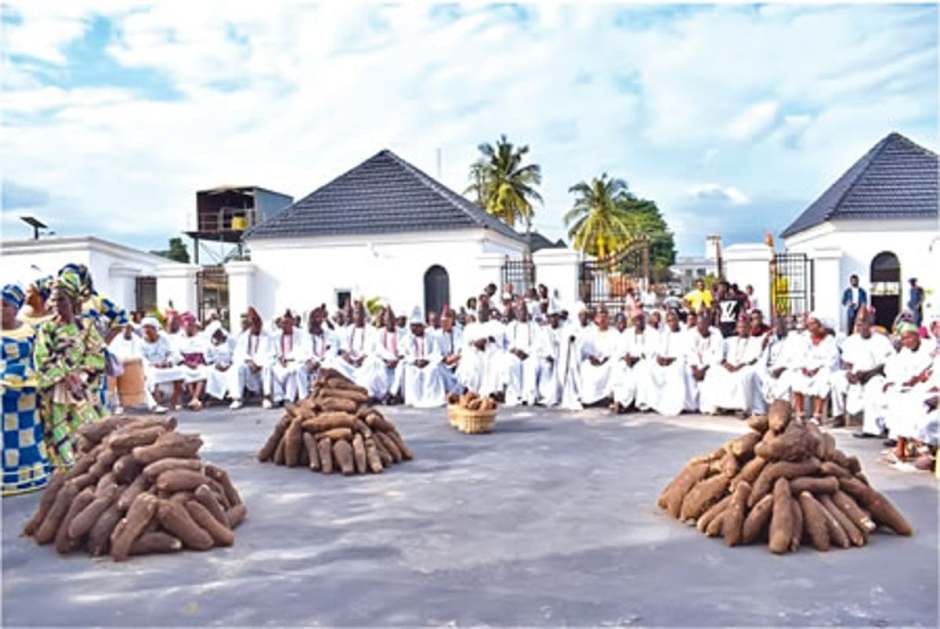
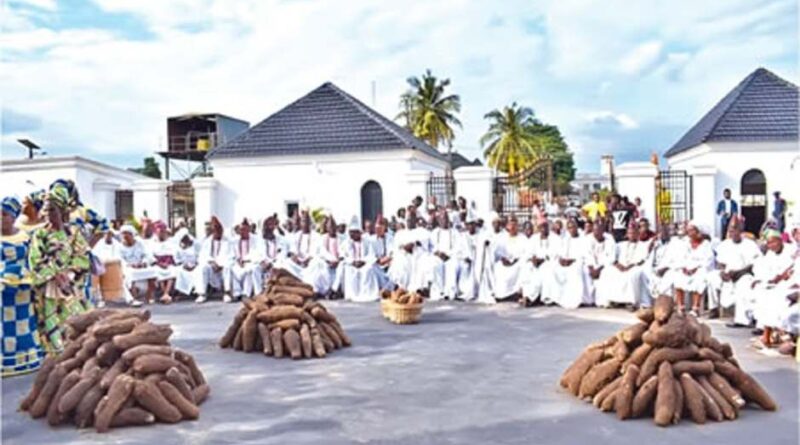
NEW YAM FESTIVAL 2026 IN NIGERIA
AgricNews Digest
Across Nigeria, the first new yams emerging from the soil carry a message far beyond the kitchen. They announce a season. Known as Iri Ji in Igboland, lIwa Ji in parts of the East, Okeaku among the Ezza, Uge Adiafa in Bayelsa, and Okoloda in Ijaw communities, the New Yam Festival remains one of Nigeria’s most widespread agrarian celebrations. It marks the end of the rains, the beginning of abundance, and a sacred pause to give thanks to God and to the ancestors who guard the land.
Yam is not treated as just another crop. It is called the “king of all crops” because it feeds families, settles disputes, pays dowries, crowns kings, and welcomes guests. In 2026, from the rolling hills of the South-East to the riverine communities of the South-South and pockets of the South-West, towns and kingdoms are preparing to celebrate with pomp, prayers, music, and pride. The names and dates will differ, but the purpose remains the same: gratitude for survival and hope for more.
Even here in Kogi State, the tradition is alive. In Ponyan community, Yagba-East Local Government, the New Yam Festival is celebrated with great excitement. The highlight is a colourful funfair known as Apolokogbe” featuring masquerades, drumming, and community feasting. It is a moment when sons and daughters of Ponyan come home to honor the land and thank God for the harvest.
In Igboland, the New Yam Festival is fixed with the end of the rainy season, usually around early August. It is both spiritual and social. Families return home from cities abroad, kolanuts are broken, and the first yams are roasted and offered in gratitude before any mouth tastes them. The rites are a reminder that prosperity comes from the soil, from hard work, and from living in harmony with one another.
For 2026, Anambra State is preparing to host what is billed as the biggest state-level celebration. The Commissioner for Culture, Entertainment and Tourism has announced that the state’s flagship Iri Ji festival will hold on October 21 at the Alex Ekwueme Square in Awka. The choice of such a central venue shows the government’s plan to position the festival as a major tourism and cultural attraction. The Obi of Onitsha is expected to lead other royal fathers in a grand procession, while cultural troupes from all parts of the state will display the richness of Igbo heritage.
Further east in Ikem, Enugu State the people will observe their historic ORUROEZHI festival according to the traditional calendar. The date is determined by the market cycle and falls on the last Afor Sunday of July. If the month has only one Afor Sunday, then the first is used instead. The celebration spans four days. On Friday, Eke market day, priests and elders make offerings to the gods of the land. On Saturday, Orie market day, farmers receive permission to harvest and bring new yams to the market for the first time. The atmosphere becomes a blend of worship and carnival, with music, masquerades, and the unmistakable aroma of roasted yam and palm oil filling the streets.
The New Yam Festival is a Nigerian story, not just an Igbo one. Across the country, other ethnic groups mark the harvest with rites rooted in their own history.
In Ilupeju-Ekiti, Ekiti State the festival will begin early with solemnity. On Sunday, 5 July 2026 at 7:00 a.m the Apeju of Ilupeju will lead the Obanla, chiefs, and elders to the Udi Uto market square. Prayers will be offered for peace, unity, and progress. By age-long custom, no farmer may sell or eat new yam until this ceremony is performed. The ritual officially opens the harvest season and sets the spiritual tone for the weeks ahead.
The Ezza Nation will observe Okeaku a festival that also marks the beginning of the Ezza new year. This year, a gathering was held on June 30, 2026 at Okpoku Ezekuna. Custodians of Ezza culture have emphasized that Okeaku must follow strict traditional protocols because it is not just a celebration. It is the cultural reset button for the entire nation.
In the South-South, the celebrations carry the rhythm of the creeks. The Ekpetiama Kingdom in Bayelsa State combined its 2026 Okoloda Aya Buru Fi Uge with the 10th coronation anniversary of King Bubaraye Dakolo. Under the theme “Our Culture, Our Pride,” the monarch described the festival as evidence that culture remains the strongest thread holding communities together in times of change.
The Ogu Community in Bayelsa also celebrated its annual “Uge Adiafa” festival, branded “Ogbolo ’26.” For the people of Ogu, the day grants permission to begin harvesting yam and serves as a public declaration that the gods have blessed the farms. It is also a time for elders to bless the youths and for the community to reaffirm its identity.
Perhaps the longest celebration will be in Odi, Bayelsa State. The Odi Ogori Ba Uge Festival will run for seven days, from 27 July to 2 August 2026. This is the 69th edition and it commemorates the killing of a buffalo that once destroyed farms in 1957. Over the years the festival has grown beyond its origin. It now blends tradition with modern entertainment, and this year music star Timaya is billed to headline the beach party, drawing visitors from across the Niger Delta.
In Yakurr, Cross River State the Leboku New Yam Festival remains one of Nigeria’s most elaborate. While the exact 2026 date is still being finalized, the structure is well known. It begins with Nkokeboi a day of rest and reflection. Then comes Leteboku a contest of oral poetry, followed by the vibrant Yekpi parade. The nights come alive with Egbendum and Oka dances. The celebration closes with fresh palm wine and a communal meal of pounded new yam.
Despite different languages, dates, and rituals, the New Yam Festival tells one story nationwide. It is a story of gratitude. Communities pause to thank God and the ancestors for protection through the farming season. It is a story of culture. From royal regalia to masquerades, from age-grade dances to war songs, the festivals put heritage on full display. And it is a story of home. December may belong to Christmas, but August belongs to homecoming. Sons and daughters working in Lagos, Abuja, Europe, and America return to their villages to eat, dance, and reconnect.
There is also one sacred rule that appears everywhere: no one eats the new yam before the king or chief performs the rites. This taboo reminds everyone that the land does not belong to individuals alone. It belongs to the living, the unborn, and those who came before us.
The New Yam Festival 2026 is therefore much more than food. It is a reaffirmation of identity. It celebrates resilience, faith in the soil, and the joy that comes when a community gathers to say, “We have survived another season, and we are grateful.”
AgricNews Digest celebrates with all farming communities in Nigeria. May this season bring abundance to your barns and joy to your homes.