Where Are the Farmers? Nigeria’s Empty Fields and Broken Harvest
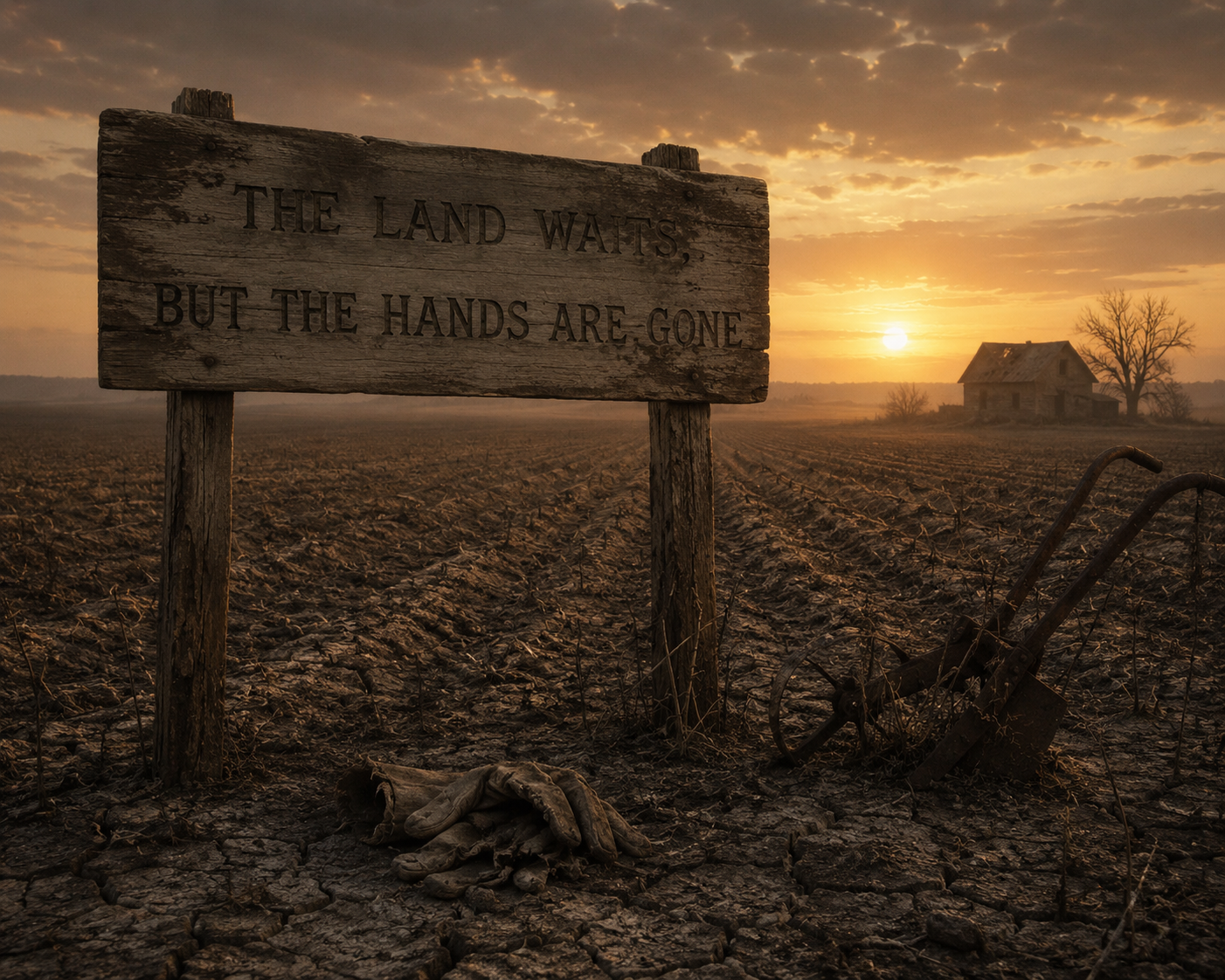
The Land Waits, But the Hands Are Gone
Dayo Thomas
Drive through Nigeria’s farmlands today and the silence will hit you before the heat does. The soil is still dark and rich. The rains still fall on schedule. The ridges and terraces carved by generations are still standing. But the hands that turned that soil are missing. Across Benue, Plateau, Niger, Zamfara, and Kaduna, farmland stretches for miles with no one working it. Insecurity has turned farming communities into ghost towns. The land is ready, but the farmers have fled.
What insecurity has done is simple and devastating: it has emptied villages and abandoned food. In communities across the Middle Belt and Northwest, homes stand with open doors and overgrown compounds. The farms that fed families and markets are now bush. Farmers who once knew the language of rain and soil now live in IDP camps or as strangers in cities. They left not because the land failed, but because staying meant risking death. A man does not abandon his father’s farm lightly. He leaves when the cost of planting becomes higher than the cost of running
Farming in Nigeria used to be about weather and seeds. Today it is about survival. For many farmers, stepping onto their land now means stepping into danger. Bandits, kidnappers, and armed groups have made rural roads and farms hunting grounds. The result is a farming season defined by fear, not hope. Many farmers only work land close to their homes, and even then, they work in groups and return before dusk. Large farms lie fallow because no one can risk going that far. The knowledge of a generation when to plant yam, how to rotate maize, which soil grows the best sorghum is being lost because the people who carry that knowledge cannot access the land.
An empty farm does not only hurt the farmer. It breaks the entire food chain. When farmers cannot plant, traders have nothing to buy. When traders have nothing to buy, markets have nothing to sell. When markets are empty, prices climb and families go hungry. That is why food inflation in Nigeria feels personal. The bag of rice, the tuber of yam, the bowl of beans — they all trace back to a farm that someone was too afraid to work. Food insecurity starts in the bush, not in the market.
The farming calendar in Nigeria was once sacred. March for land clearing, April for planting maize, June for weeding. Now the calendar is dictated by security reports. Farmers plant when they hear the area is “quiet.” They harvest in secret. They sell at night. They cannot invest in fertilizer or improved seeds because they do not know if they will live to see harvest. Investment needs confidence, and confidence is what insecurity has stolen. A farmer who fears for his life cannot think about yield per hectare. He thinks about making it home.
Nigeria cannot eat without its farmers, and right now, too many farmers cannot farm. This is not a problem for rural areas alone. It is a national emergency. Every city dweller buying food, every mother cooking for her children, every student in a hostel — all of us are tied to that abandoned farm in Benue or Zamfara. Until farmers can return to their land without fear, Nigeria’s food crisis will remain. The solution is not just fertilizer subsidies or tractors. It is peace. It is safety. It is the simple, radical idea that a man should be able to work his father’s land and live to tell his son about it.
The land is waiting. The rain will fall again. The question is: will the farmers be there to meet it?